Children
Poor vision can directly affect the personal health, happiness and development of children.
It may also limit their potential to become productive workers and citizens.
More research is needed on the economic costs of poor vision in children, but at least one study suggests its broad impact. Across Southeast Asia, myopia affects a significant proportion of the child population, including an estimated 73.9% of teenagers in Singapore. A 2008 study put the direct costs of that country's myopia in this age group at $25 million.
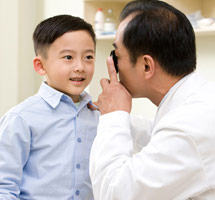
Around the world, an estimated 30% of children below age 18 experience problems with uncorrected vision. Good sight is crucial to education; 80% of what children learn is acquired through the visual processing of information. But poor vision may go undiagnosed even as elementary education begins. In the United States, only 14% of children have received a comprehensive eye examination by age six.
Those with visual impairment are at greater risk of setbacks in their social development and integration. If not detected early, vision problems can change a child's life for the worse, potentially leading to antisocial or delinquent behavior. Several studies have linked vision, learning disabilities and juvenile delinquency, with one recent paper from the US finding that over 70% of juvenile offenders had undiagnosed vision problems.